
A brief history of Mahjong
From ancient China to the modern table
There is a debate on the timeline of the birth of Mahjong, but it is thought to have originated in 19th-century China, possibly earlier.
Mahjong evolved from card games and domino-like pastimes, blending ancient Chinese culture with game theory.
The name mahjong translates roughly to "sparrow" in Chinese, and legend says it mimics the clicking sound of sparrows squawking.
Mahjong tiles include numbers, suits, dragons, winds, and flower tiles, each with deep cultural symbolism.
The Birth of a Timeless Game
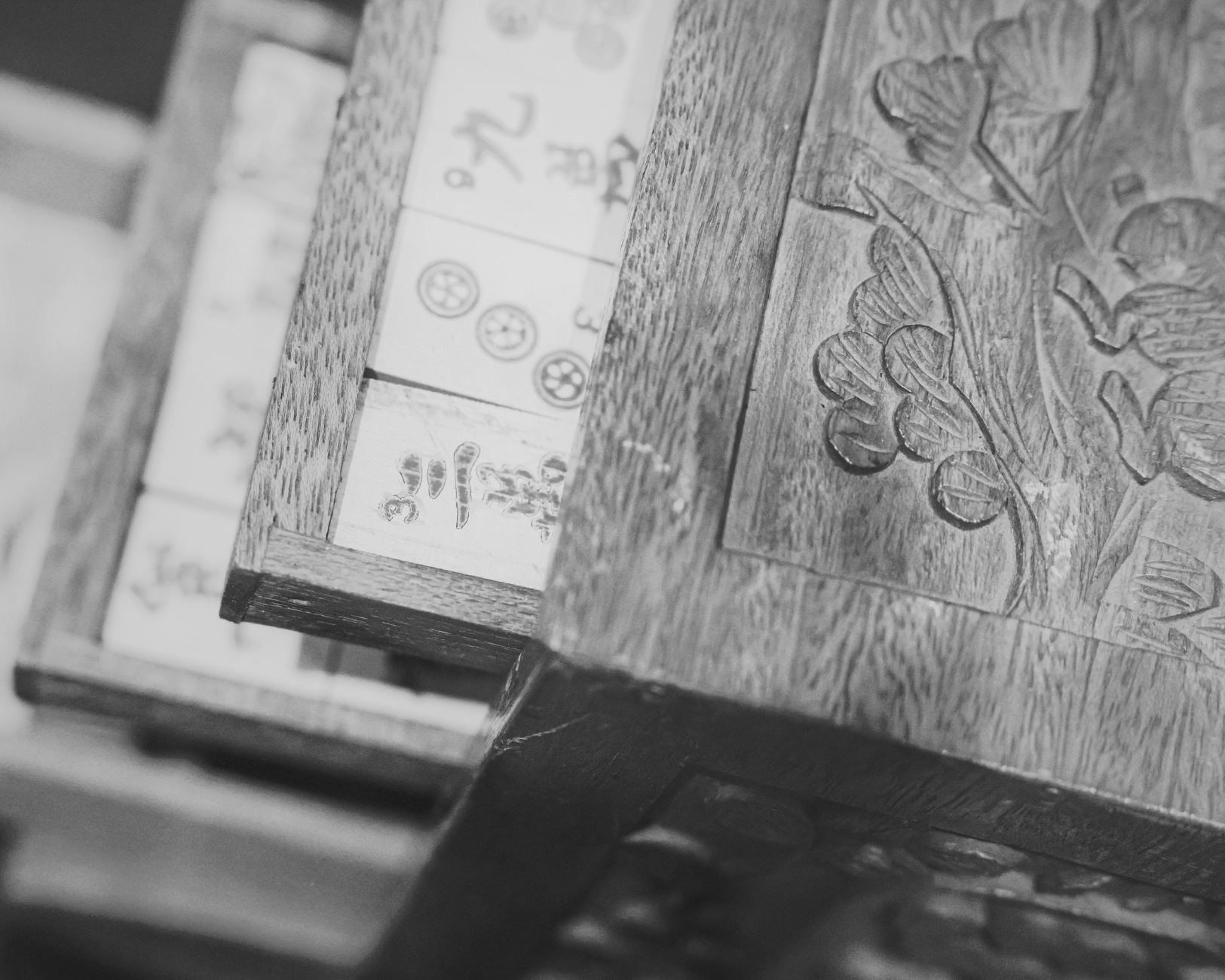
The American Craze: When Mahjong Took the U.S. by Storm
American trader Joseph Park Babcock brought Mahjong to the U.S. in 1920 and simplified the rules for Western audiences. Historian Annalise Heinz documents this pivotal moment extensively, showing how Babcock's adaptation sparked one of the decade's biggest cultural phenomena.
By the mid-1920s, Mahjong became a nationwide mania, often called the "Mahjong Craze." Department stores sold sets by the thousands, jazz clubs featured tournament nights, and women's clubs hosted Mahjong parties as a sophisticated pastime
Mahjong’s popularity faded during the Great Depression but never truly disappeared. It found deep roots in certain communities, especially in the Northeast.
The Jewish-American community embraced Mahjong with particular enthusiasm, making it a cornerstone of intergenerational gatherings. Annalise Heinz's research on Mahjong's cultural history highlights how immigrant and diaspora communities made the game central to their social fabric.
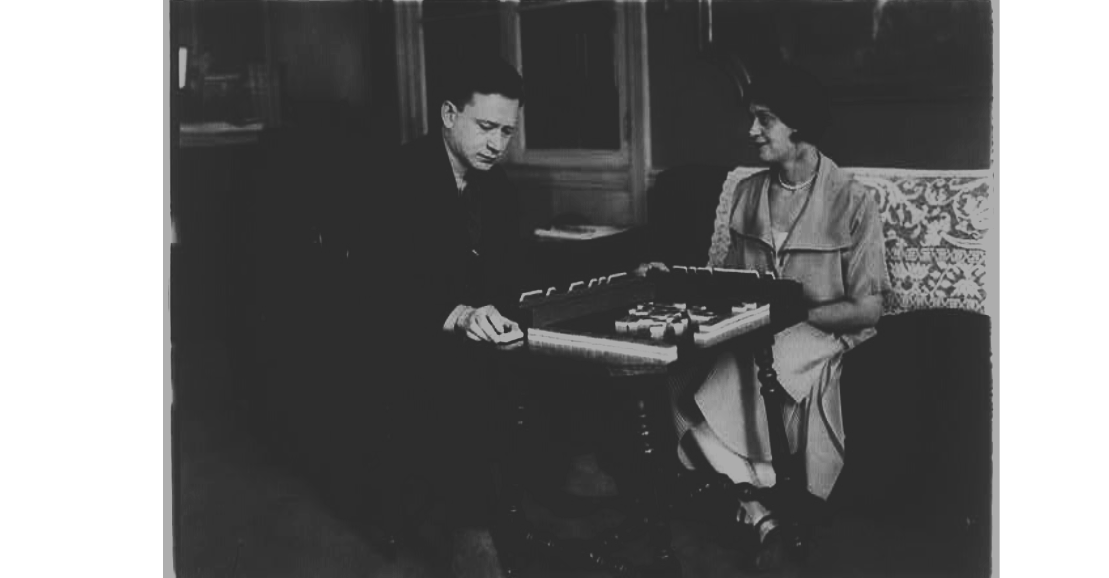
One Game, Many Flavors: 40+ Regional Variations
American Mahjong: Uses a card rack system and focuses on specific hand patterns (the version popularized by the National Mahjong League).
Hong Kong Mahjong: Fast-paced, focuses on melds and scoring complexity. Very competitive.
Japanese Riichi Mahjong: A formal, strategic version with a distinct ranking system.
Singaporean Mahjong: Emphasizes luck and fortune; many flowers and bonus tiles.
Taiwanese Mahjong: Highly gambling-oriented with unique tile combinations and wild cards.
Plus: Vietnamese, Korean, Cantonese, Sichuan, Filipino, Wright Patterson Mahjong, and dozens of family or regional house rules. This diversity reflects Mahjong's adaptability and cultural significance across Asia and diaspora communities.
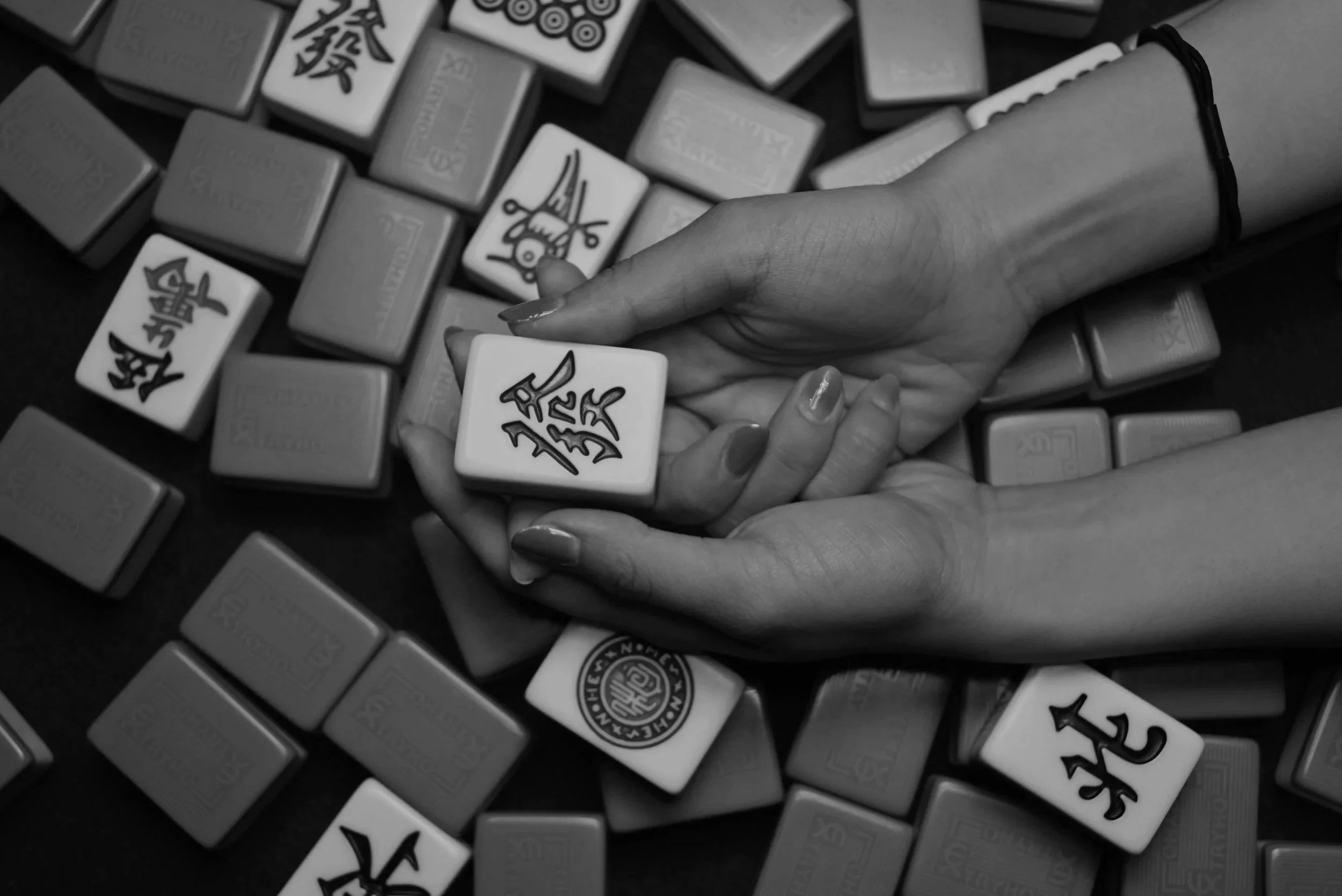
The National Mah Jongg League: Codifying the Game
The National Mah Jongg League was founded in 1937, and created the NMJL Standard Rules, giving American Mahjong a consistent, official rule set.
The NMJL publishes an annual hands card that define winning hands each year, keeping the game fresh, challenging and competitive.
The League built a network of tournament organizers and sanctioned clubs across the United States, particularly strong in California, Florida, and the Northeast.
Today, NMJL tournaments draw thousands of players annually, preserving the spirit of competitive, social Mahjong in American culture.
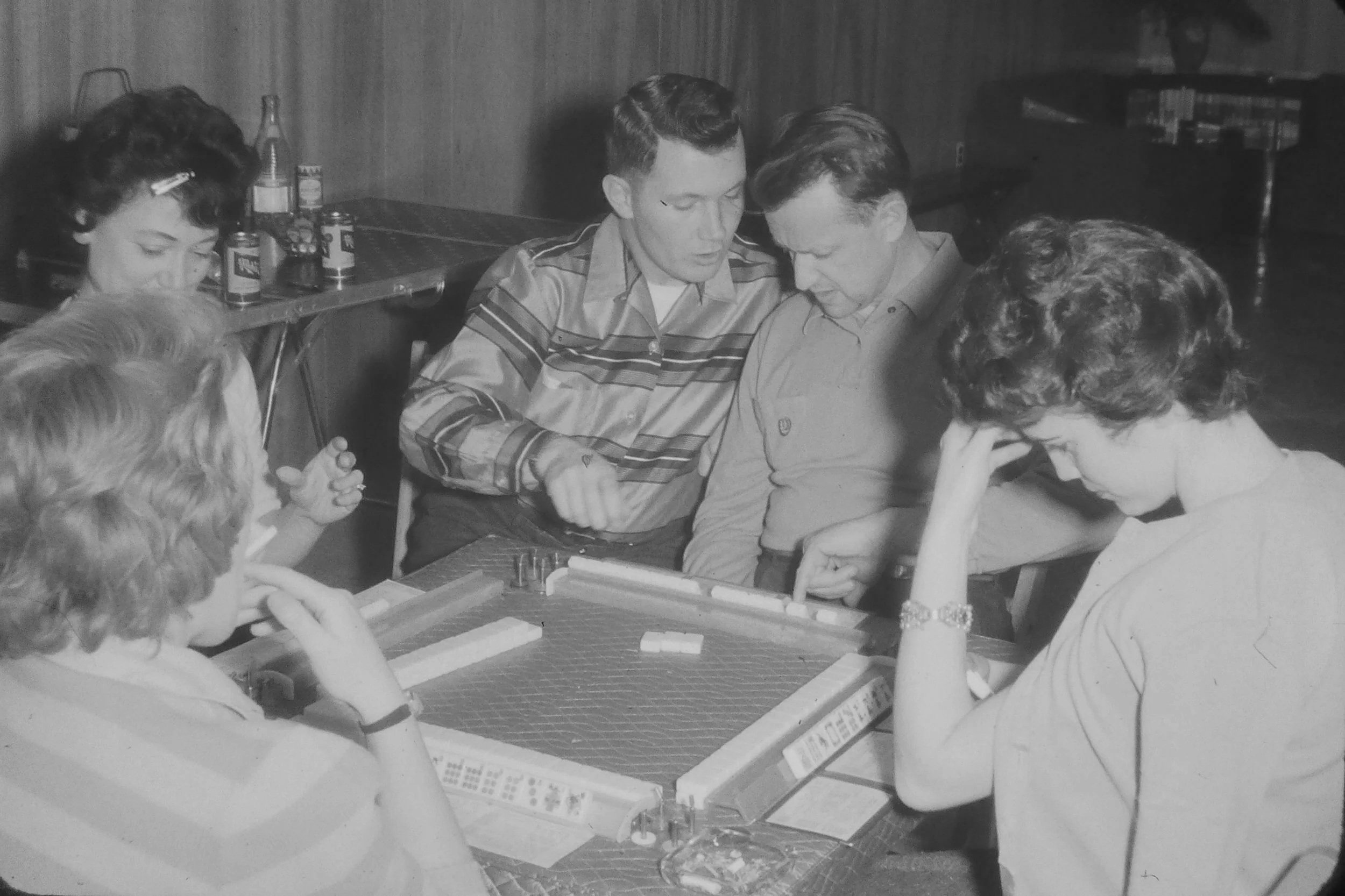
The Modern Revival: Mahjong’s Modern Renaissance
In recent years, Mahjong has experienced a remarkable revival, especially among Gen Z and millennial players seeking analog games that foster real connection.
The "Texas Wave" refers to the explosion of Mahjong interest in Texas and across the South, led by creators like Oh My Mahjong and and My Fair Mahjong. Younger players discovered the game through TikTok, book clubs, and social media.
New aesthetics matter: beautiful, designer tile sets and accessories have made Mahjong an aspirational hobby and a collector's obsession, not just a grandmothers' game.
The game appeals to people seeking community and a tactile experience in a digital world.
Intergenerational play has become a cornerstone of the modern revival: daughters learning from mothers, young professionals gathering in city apartments, and families rediscovering a shared tradition.
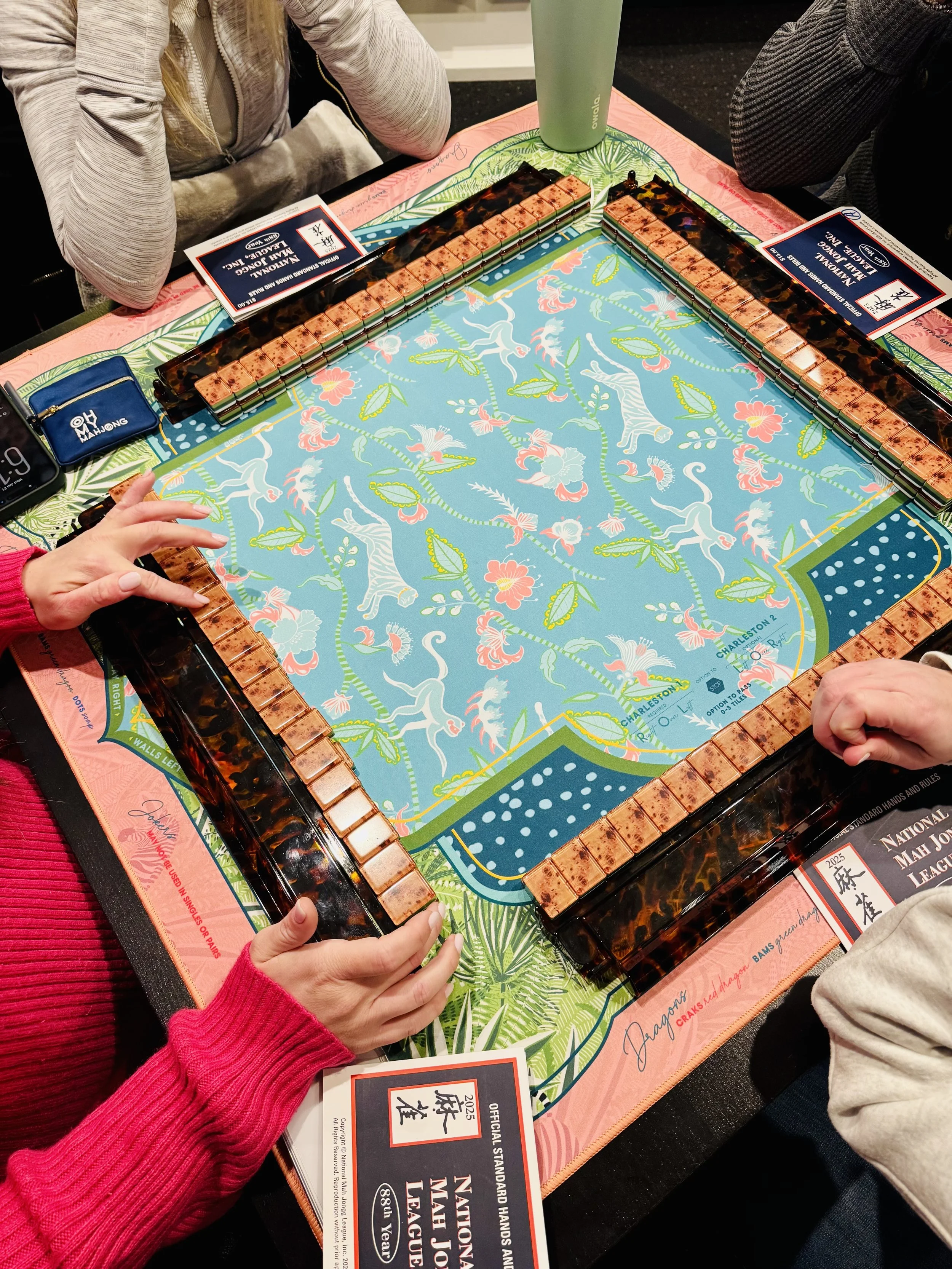
Fun Facts!
152 Tiles, Endless Possibilities
A standard set has 152 tiles: 4 of each number 1-9 in 3 suits, 4 of each dragon, 4 of each WIND, 8 Flowers and 8 Jokers.
3 Symbols, Deep Meaning
Bamboo (growth), Dots (fortune), and Characters (ancient wisdom) represent three pillars of Chinese philosophy.
Dragon Tiles & What They Represent
The Red Dragon, White Dragon, and Green Dragon tiles reference Chinese mythology and are key to ceremonial play during Dragon Boat Festival.
The Sound of Play
Part of Mahjong's appeal is the satisfying click-clack of tiles shuffling. Many players say it's meditative, like stress-relief jewelry.
It's Not Just Luck
Despite being a game of chance, Mahjong rewards memory, strategy, and reading opponents.
Symbol of Community
In Chinese culture, Mahjong is called a tool of social bonding. It's as much about conversation and laughter as it is about winning.
A Game for Everyone
From high-stakes tournaments to casual living-room games, Mahjong transcends age, culture, and background.
Further Reading
This page draws on research by historian Annalise Heinz, whose work on Mahjong's cultural history provides essential context for understanding the game's journey in America. Her work covers both the 1920s boom and the communities that kept Mahjong alive through the decades.
Additional Resources
Order your National Mah Jongg League Card - Official rules and competitive play
2026 Card can be ordered here:
Pre-Order 2027 NMJL card here:
Oh My Mahjong - Contemporary community and modern revival